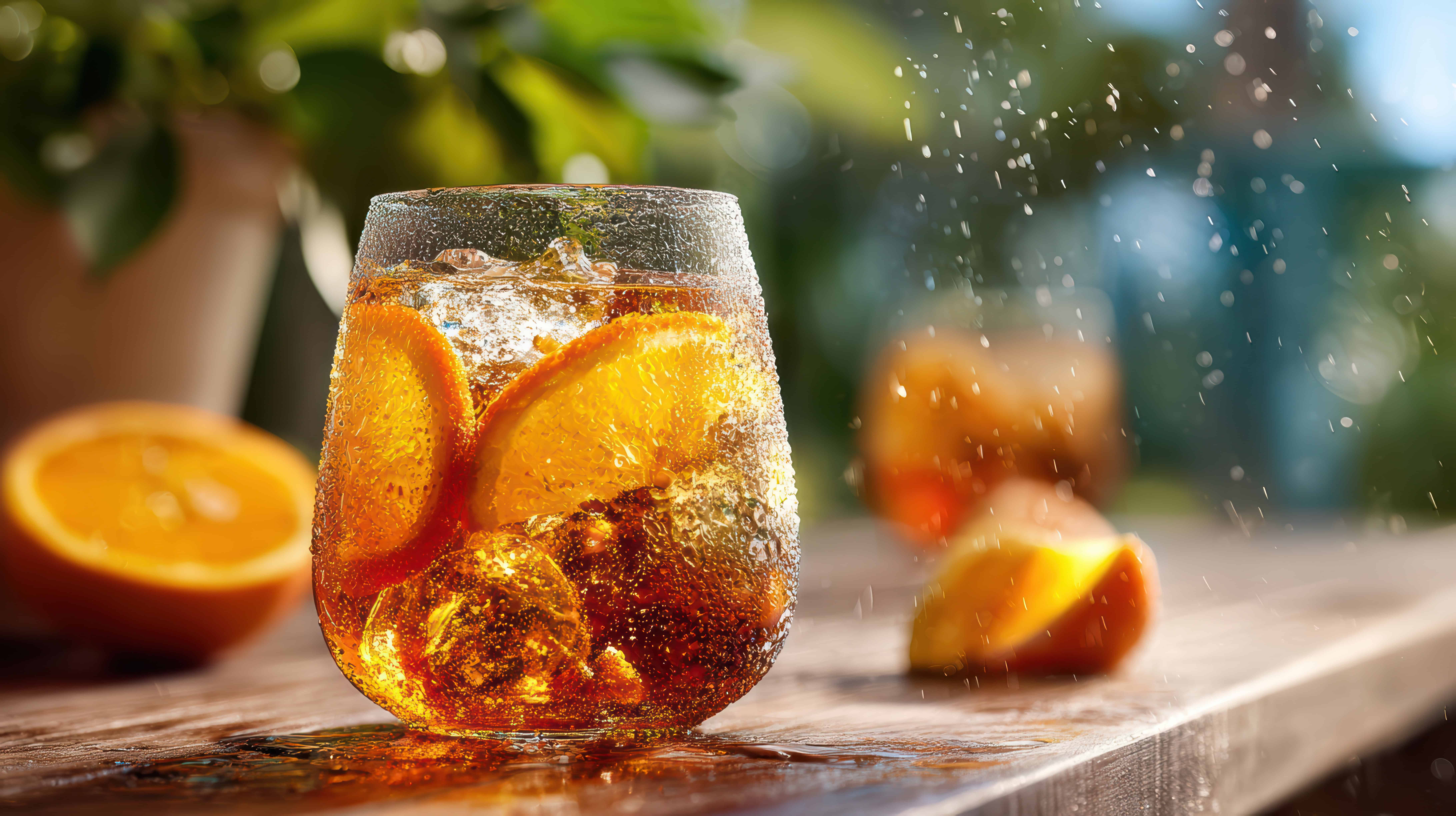
As moderation becomes more visible in social drinking occasions, consumers are looking for drinks that still feel flavourful, considered and socially appropriate without necessarily containing alcohol. This does not mean that alcohol is disappearing from adult occasions, but it does suggest that mocktails, premium mixers, flavoured sparkling drinks and other alcohol-free alternatives are becoming more relevant in moments where consumers want more than water or standard juice.
IWSR expects global no-alcohol analogues, including no-alcohol beer, wine, RTDs and spirits, to have grown by 9% in volume in 2025, with the category forecast to grow by 36% between 2024 and 2029. The same source also notes expected 11% volume growth for alcohol-adjacent beverages in 2025, suggesting that moderation is creating demand for drinks that retain social and adult-oriented cues rather than simply removing alcohol from the occasion.
Health perceptions are also shifting the way some consumers think about alcohol. Gallup reported that only 54% of US adults said they drink alcohol in 2025, a record low in its trend, while 53% said moderate drinking is bad for one’s health. Reuters has also reported that younger Americans have increasingly opted for mocktails and juices over alcoholic beverages, although this should be read as evidence of broader moderation behaviour rather than a direct move from alcohol to Carbonated Soft Drinks specifically.
For Carbonated Soft Drinks brands, the opportunity is less about replacing alcohol outright and more about earning a stronger role in alcohol-free social occasions. Carbonation already brings several useful cues to these occasions, including flavour, refreshment, visual appeal, serve rituals and pairing potential. This gives soft drink brands permission to move beyond everyday thirst-quenching and participate more credibly in braais, at-home entertaining, sport viewing, casual gatherings, hospitality settings and premium serve occasions.
Insight Survey’s latest South African Carbonated Soft Drinks Market Sizing and Competitor Analysis Insights Report shows how this is already appearing locally. BevCo introduced a 500ml Mocktail can range, while Coo-ee promoted Mojito, Colada and Strawberry Daiquiri variants around sharing moments and non-alcoholic refreshment. JiVE also expanded into Mocktail cans, and Refreshhh promoted its Mocktails range through its ‘Remix Anywhere’ campaign, linking 500ml Pina Colada, Mojito and Strawberry Daiquiri cans to football viewing, weekends and time with friends.
Premium mixers add a more adult-oriented layer to the same opportunity. Fitch & Leedes has built visibility through mixology-led content, premium restaurant listings, Best Day Out activity and crafted serve occasions, while Fever-Tree differentiates itself through natural ingredients, sophisticated flavour profiles and premium mixer credentials. Kingsley Beverages has also introduced Surfside, a carbonated RTD mocktail range available in Mojito, Piña Colada, Blue Hawaiian and Strawberry Daiquiri, extending its portfolio into alcohol-free social refreshment.
The strongest opportunity for soft drink brands may therefore sit between everyday refreshment and formal no-alcohol substitutes. Consumers who are moderating may not always want a no-alcohol beer, wine or spirit alternative, but they may still want something that feels more intentional than a basic soft drink. Brands that can combine flavour innovation, premium cues, accessible pricing and occasion-led marketing will be better placed to make Carbonated Soft Drinks feel relevant in these changing social moments. Moderation is therefore not only a health or lifestyle trend. It is also a positioning opportunity for brands that can make alcohol-free drinks feel more social, more adult and more worth choosing.